General everyday eating information only—not medical, dietetic, or weight-loss advice. We do not sell supplements. Consultations are educational; fees are confirmed before booking.

Foods to stock

What to keep at home for varied meals

Fewer items in the cupboard, more combinations on the plate—grains, beans, vegetables, and sauces you will actually use.

Greens, citrus, and whole grains on a counter

Grains: change the base of your meal

Barley, bulgur, spelt pasta, rye bread, and oats cook differently and taste different. Barley is good in soup and salad; bulgur is ready in minutes; spelt pasta works with pesto; oats are not only for breakfast—savoury oats with mushrooms make a filling dinner.

Cook a double portion on a quiet evening and freeze it flat in a bag with the date. Next week you reheat grain instead of starting from scratch. Whole grains also keep you full longer, so you may need less heavy sauce on the plate.

Beans, lentils, eggs, and fish

Chickpeas, brown lentils, and black beans give you creamy or firm textures. Rinse canned beans to reduce salt. Dried lentils cook in about twenty minutes with a bay leaf for salads. Mix beans with a little fish, egg, or yogurt rather than eating the same protein every night.

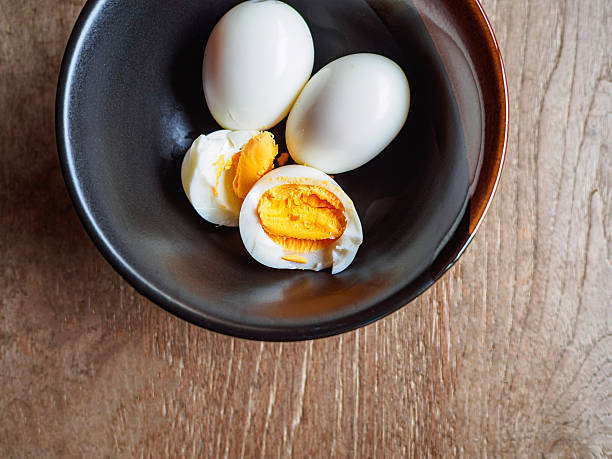
Skyr and kefir add protein and a tangy taste for sauces. Eggs are the fastest option—boiled for lunch, fried on rice, or in a vegetable omelette.

Lentils, chickpeas, and fresh herbs in bowls

Vegetables through the year in the Netherlands

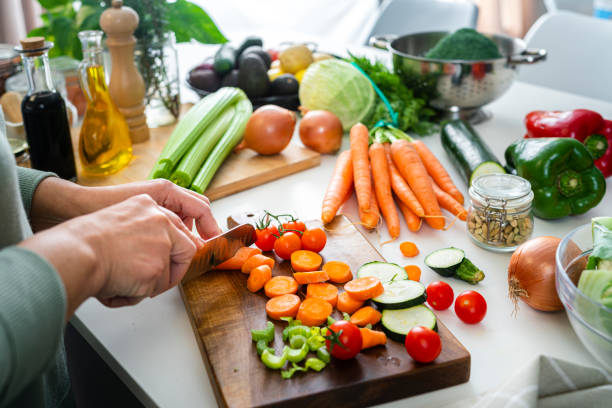
Winter: kale, chicory, leek, beetroot, celeriac—roast or slice raw with sharp dressing. Spring: asparagus, radish, spinach—steam or eat raw. Summer: tomato, courgette, beans—grill or marinate. Autumn: pumpkin, cabbage, pear—good for soup and tray-bakes.

Frozen peas, spinach, and green beans help when fresh time is short. Sauerkraut adds tang in winter. Herbs on the windowsill count as fresh flavour even in a small flat.

For crunch

Cucumber, fennel, apple—raw on top of warm bowls.

For roasting

Carrot, parsnip, beet—one tray with oil and spices.

Sauces and extras that change the taste

Miso, mustard, capers, preserved lemon, and good olive oil let the same rice feel Mediterranean one day and Asian-inspired the next. Lemon and vinegar brighten heavy plates. Toast nuts and seeds briefly—they add crunch and richness.

Fresh fruit or a piece of dark chocolate is enough for dessert without baking. Rotate fruit through the week: citrus, berries, apples and pears.

Compact starter shopping list

These ten items cover most weeknight meals in a Dutch kitchen. You are not locked in—rotate brands and shapes—but keeping this core list short makes shopping faster and variety easier to manage.

Cupboard basics

Rolled oats Porridge, overnight oats, or savoury oat bowls. Swap toppings daily—apple, cinnamon, seeds, cocoa.
Rice or barley One quick-cooking grain (rice) and one for soups or salads (barley). Cook extra on quiet evenings.
Pasta (wholegrain or spelt) Fast dinners with pesto, tomato, or lemon-oil sauce. Change shape weekly—penne, fusilli, spaghetti.
Lentils (dried or canned) Red lentils cook in ~12 minutes; green lentils hold shape in salads. Rinse canned lentils to lower salt.
Chickpeas (canned) Hummus, tray salads, or crispy roast chickpeas. Two cans in the cupboard save a midweek shop.

Fridge & freezer

Eggs (6–10) Boiled for lunch, fried on rice, or whisked into a vegetable omelette when time is tight.
Plain yogurt or skyr Breakfast base, sauce with mustard and dill, or dollop on lentil bowls.
Frozen spinach or peas Stir into pasta, lentils, or eggs in under five minutes. Colour and fibre when fresh greens run low.
Onions (2–3) Base for almost every pan sauce. Store in a cool, dry spot—not next to potatoes.
One lemon Brightens fish, lentils, and roasted vegetables. Zest freezes well if you grate extra.

Add each week (rotation)

One seasonal vegetable From the market or supermarket flyer—asparagus in spring, pumpkin in autumn, chicory in winter.
One fresh herb bunch Parsley, dill, or mint lifts the same grain bowl all week. Stand stems in water like flowers.

Print this list or save it in your phone notes. Tick items as you shop—everything else is optional and can wait until your routine feels steady.

Quick dinner ideas

Health & safety when stocking and cooking

Trying more foods is easier when storage and prep stay predictable. These tips support everyday variety in a Dutch home kitchen—they do not replace advice from a doctor or dietitian.

Shopping & labels

Read allergen labels Mustard, celery, gluten, and milk appear often in Dutch sauces and ready meals. Check when you buy a new brand.
Respect use-by dates On fish, fresh dairy, and chilled hummus. “Best before” on dry pasta or rice is about quality, not safety.
Bag chilled items together Pick fish, yogurt, and frozen goods last at Albert Heijn or Jumbo. Use an insulated bag in warm weather.
Introduce fibre gradually If lentils and extra vegetables are new, increase portions slowly and drink water with meals.

Storage at home

Rinse grains and legumes Wash rice until water runs clearer. Soak dried beans as the package describes before long cooking.
Airtight jars for nuts and seeds Open packs go rancid quickly. Label with the month opened.
Fridge at 4°C or below Store meat and fish on the lowest shelf. Keep cooked grains in a shallow container so they cool fast.
Thaw in the fridge Move frozen fish or bread from freezer to fridge the night before—not on the counter overnight.

While you cook

Wash hands and produce Even pre-washed salad can use a quick rinse. Cut away bruised spots on roots.
Separate boards for raw meat/fish Use a different board and knife for bread and salad. Wash with hot water and soap between tasks.
Marinate in the fridge Never leave fish or chicken in sauce on the counter. Cook within the time on the pack.
When in doubt, throw it out Bulging cans, sour smell, or slimy texture mean discard—do not taste to check.