
Scroll your meal photos
If you take phone pictures of plates, swipe through the week. Notice beige repeats or missing greens.
Weekly routine
A calm routine so your week stays varied
Short planning, light prep, and friendly one-to-one talks—built for real Dutch kitchens and busy schedules.
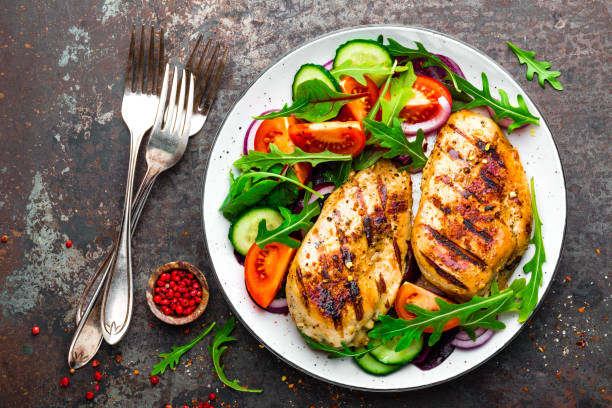
Fifteen minutes on Sunday
Open the fridge and see what must be used. Look at the week ahead—late meetings mean a stir-fry night; a free evening means a tray-bake. Write three main foods for the week: one grain, one protein, one vegetable you want to focus on. Take a photo and share it in your household chat.
There is no shame in repeating meals. The goal is one intentional swap—rice instead of pasta, or fennel instead of cucumber. People who keep the photo on their phone often cook fewer “same as yesterday” dinners by Wednesday.
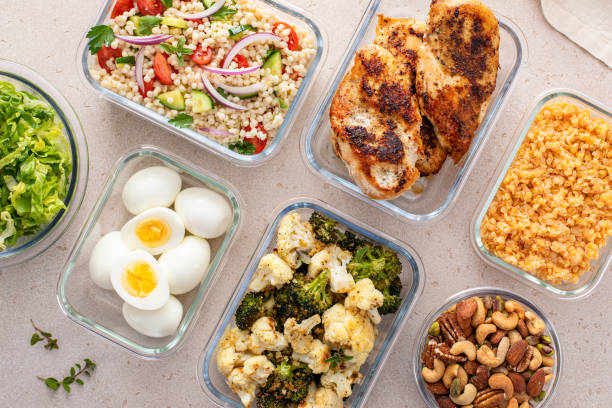
Prep without spending Sunday in the kitchen
Forty minutes once, or twenty minutes twice, is enough. Cook one grain, wash salad leaves, boil four eggs. You do not need full ready-made meals unless you enjoy that. Partial prep keeps dinners flexible—you still choose the vegetable on the day.
Label boxes with the food name—“barley,” “roasted peppers”—not Monday or Tuesday. Then Wednesday soup can use Monday’s barley without a fixed plan.
What happens in a consultation
We meet for about 45 minutes at Herengracht or online. You describe what you usually eat; we notice what repeats. Together we draft a simple food swap list for home cooking—not a clinical diet plan or weight-loss programme.
Bring a rough shopping list and photos of typical meals if you have them. We do not label foods “good” or “bad” and we do not promise specific health or body-weight outcomes. We focus on time, taste, and practical variety. Fee and cancellation terms are sent before you confirm a booking.
A simple check at the end of the week
Five minutes on Friday or Sunday is enough. You are not grading yourself—you are noticing patterns so next week can include one small, realistic swap. No calorie counting required.
Five-minute review
List main foods you remember
Grain, protein, and vegetable for each dinner—one word each is fine: “pasta + tuna + cucumber.”
Circle repeats
Same grain three nights? Same protein four lunches? That is your swap target for next week—not a failure.
Pick one change only
Example: “Try bulgur once” or “Buy fennel.” Write it on the fridge note or shared chat.
What to count (tick boxes mentally)
Grains
Oats, rice, barley, pasta, bread, bulgur—aim for at least three different if you cook dinner at home most nights.
Proteins
Fish, chicken, eggs, tofu, lentils, chickpeas, yogurt—aim for at least three different across the week.
Vegetables
Fresh, frozen, or fermented—aim for at least four different (herbs count as one if used often).
Fruit
Apple, pear, berries, citrus—at least two types if fruit is part of your snacks or breakfast.
Plate colour
How many dinners had only beige and white? Note one colour to add next week—green beans, beetroot, pepper.
Eating out
If you ate out often, count vegetable sides and salads you chose—not every restaurant meal needs a “perfect” score.
If your list looks short
One market trip midweek
Buy one herb bunch and one colourful vegetable. That alone often breaks a streak of similar plates.
Reuse a dinner pattern
Same tray-bake or noodle stir-fry—only change the vegetable and sauce. Variety without learning a new recipe.
Busy week ahead?
Lower targets: two grains, two proteins, three vegetables still counts as progress. Consistency beats perfection.
Save your one swap on the same note as your weekly food list or starter shopping list so shopping and cooking stay connected.
When the week goes off track
Travel, deadlines, and tired evenings happen. Keep one simple breakfast and one fast dinner idea for those weeks. When things calm down, change one food on the first easy night—barley instead of rice, or a new herb on the same bowl.
Common questions
Many people book every six to eight weeks, or when the season changes. A short call also works if your work hours shift.
We give patterns and swap lists, not a rigid menu for every meal. Flexibility is what keeps variety going long term.